
CGI that solves problems.
Planning applications. Design evolution. Helping clients understand proposals.
Retina has been solving these kinds of problems with CGI for over thirty years.
What do we mean by problems?
The imagery is never really the point.
What matters is whether the planning officer can understand the proposal clearly enough to approve it. Whether the heritage consultant accepts that the intervention respects the setting. Whether the client believes in a design they’ve been trying to visualise for months.
Good CGI and visuals makes those things happen. That’s what we mean by solving problems.
Residential Dwellings

Cabins and Micro Homes

Heritage Buildings

Early involvement
Most clients assume they need finished drawings before they commission CGI.
They don’t. Some of our most useful work happens earlier than that — when the design is still being tested, the planning strategy is still being formed, and there’s value in having an accurately aligned massing model before anyone has committed to anything.
We’re good at working from incomplete information. If the topographical survey has landed, or the Ordnance survey drawings are available, and the sketch design is on the table, that’s usually enough to get started.
We explain this further in our post ‘Involving Retina in the early stages of a project’
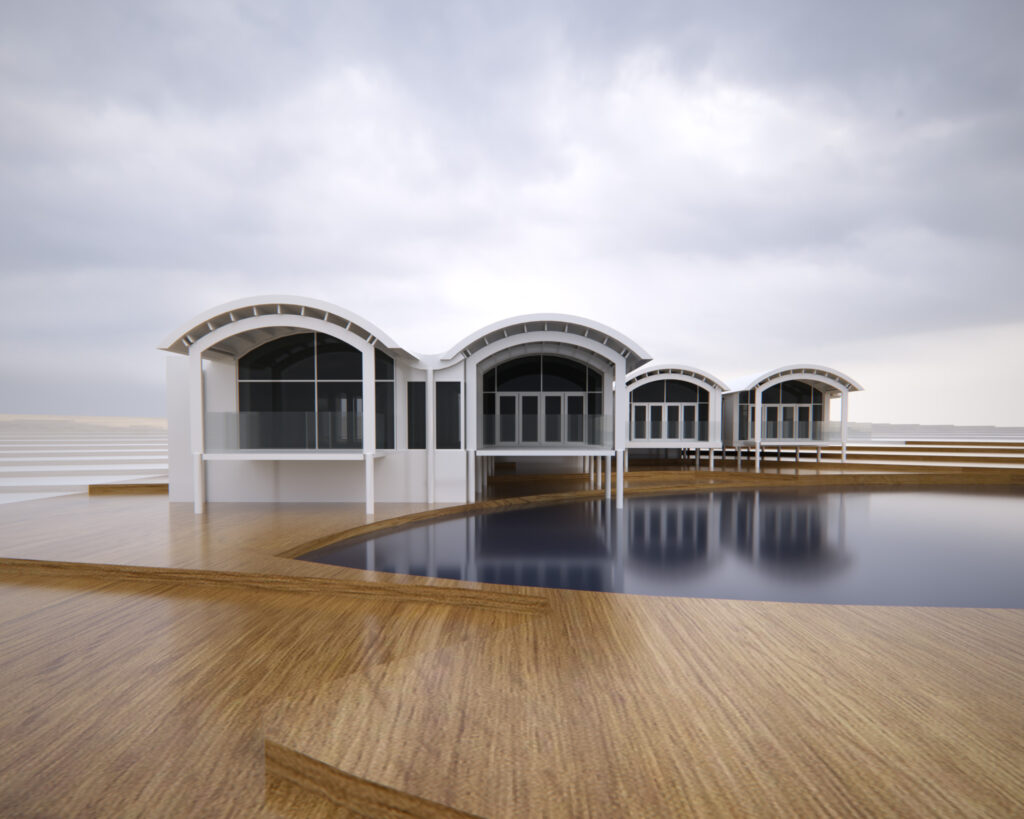
Collaboration
We ask a lot of questions before we start.
Not because we need hand-holding, but because the image needs to do a specific job — and we need to understand what that job is before we produce a single frame.
That’s why many of our clients come back across multiple projects. They’re not just returning for renders. They’re returning because we understood what the project was trying to achieve the first time, and we’ll understand it again.
I always enjoy working with Steve, he seems to know exactly what I’m trying to achieve, even if I haven’t quite got there myself…

Bill Cartledge
Frame and Log Cabin Company
Who we work with
Architects preparing planning submissions where the imagery will face scrutiny from local planning authorities, design review panels, or Historic England.
Planning consultants needing verified photomontages produced to a recognised methodology for heritage or sensitive sites.
Self-builders trying to make a complex or unconventional design legible to a planning officer, a family, or themselves.
Cabin and lodge designers who need photorealistic marketing visuals before anything has been built.
If there’s a project where CGI might help, even if you’re not sure yet what you need, it’s always worth a conversation.