
Bringing Heritage Buildings to Life with CGI
Retina creates photorealistic visuals that honour a building’s history while showcasing proposed changes.
Heritage applications are a different proposition. The imagery isn’t just illustrative — it has to make a case. Listed Building Consent, Class Q, and other heritage-adjacent applications face a level of scrutiny that standard planning rarely requires, and the LPA, Historic England, or a heritage consultant will look closely at what you put in front of them.
We’ve been producing visuals for heritage projects for over thirty years. We understand the process, the sensitivities, and what decision-makers actually need to see.
The NPPF’s approach to heritage requires applicants to demonstrate an understanding of a heritage asset’s significance, and to show how proposed works respond to that significance. Good visualisation doesn’t just illustrate the proposal — it helps make that case. Clear, accurate imagery can show that an intervention respects the character and setting of an asset, and that any harm is outweighed by the public benefit of bringing a building back into use.
What we produce
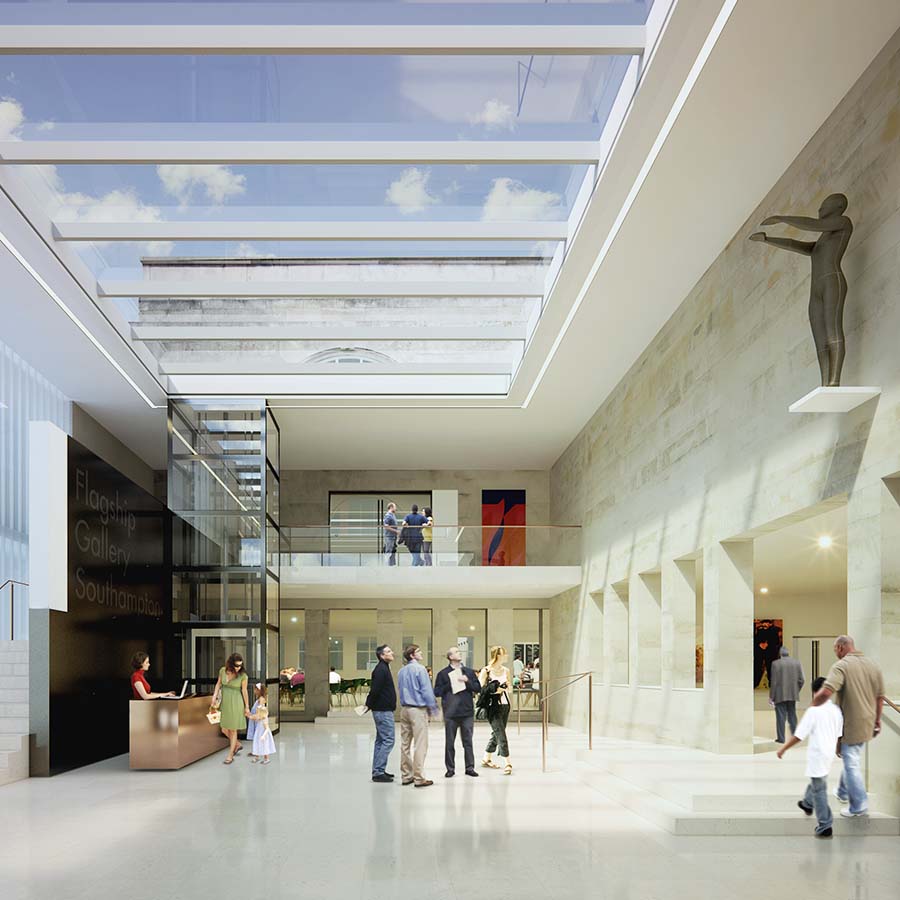
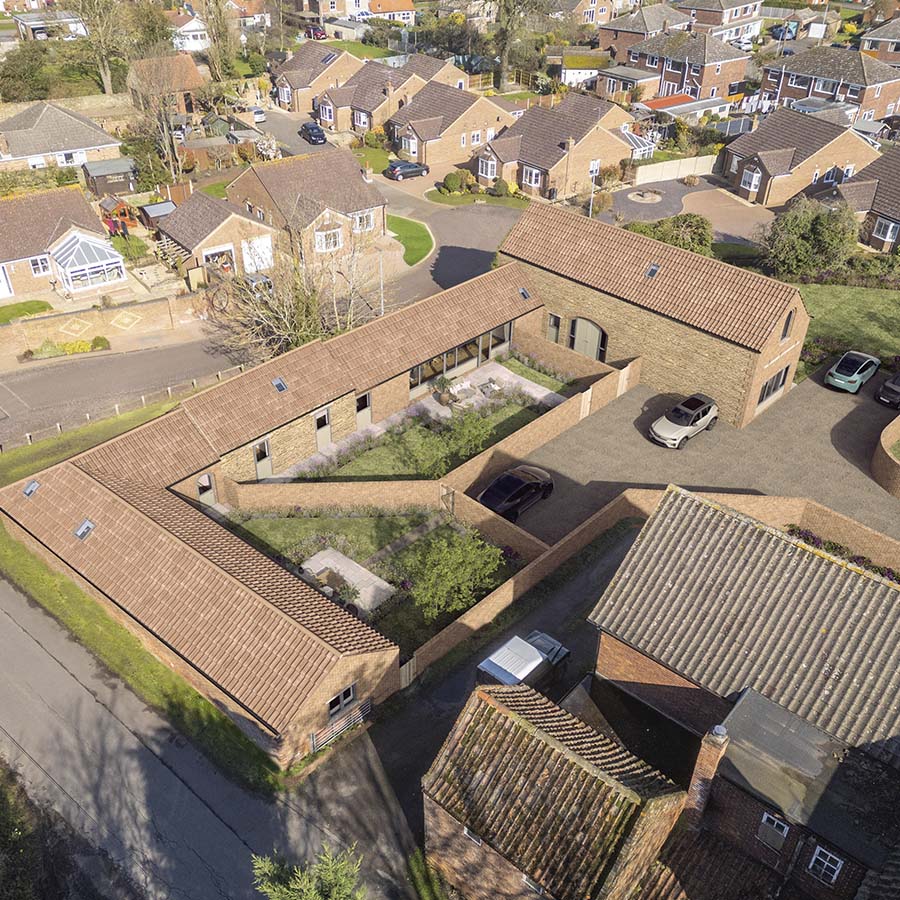
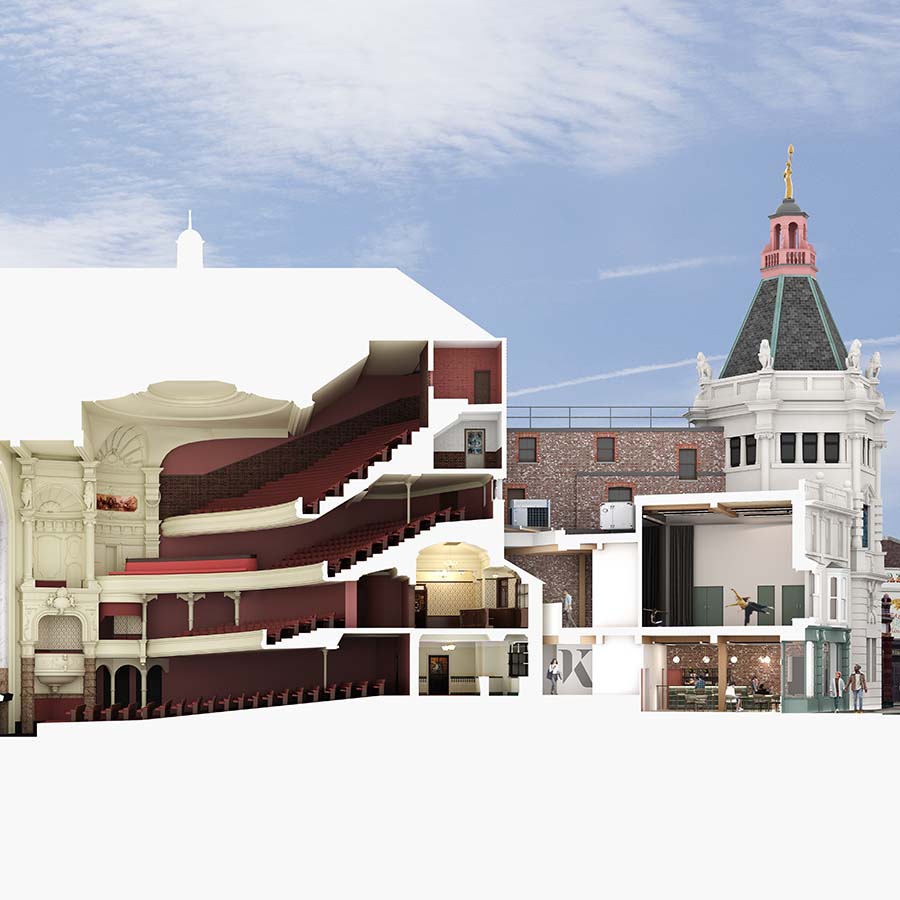
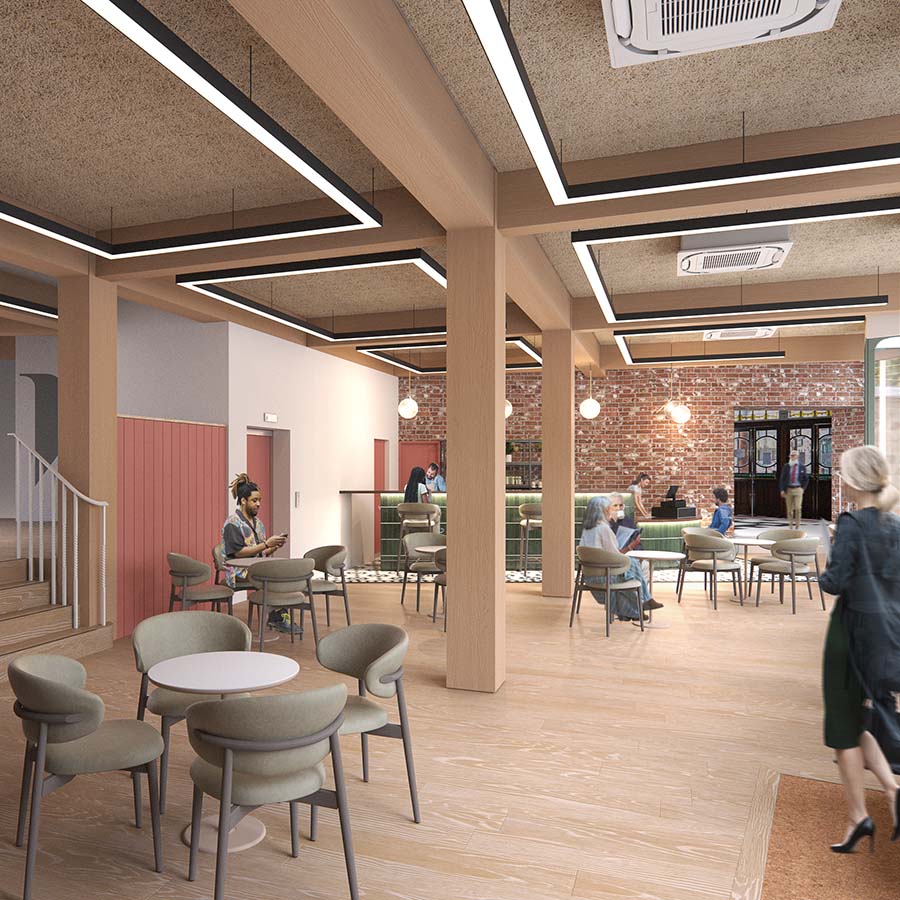
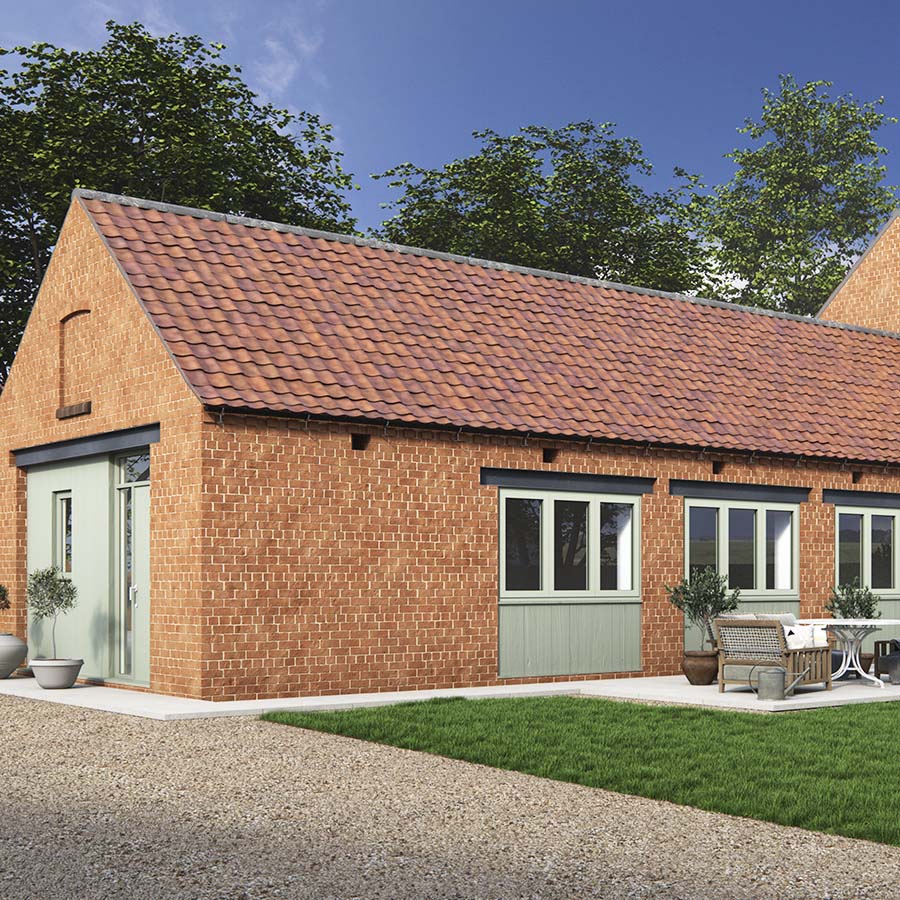
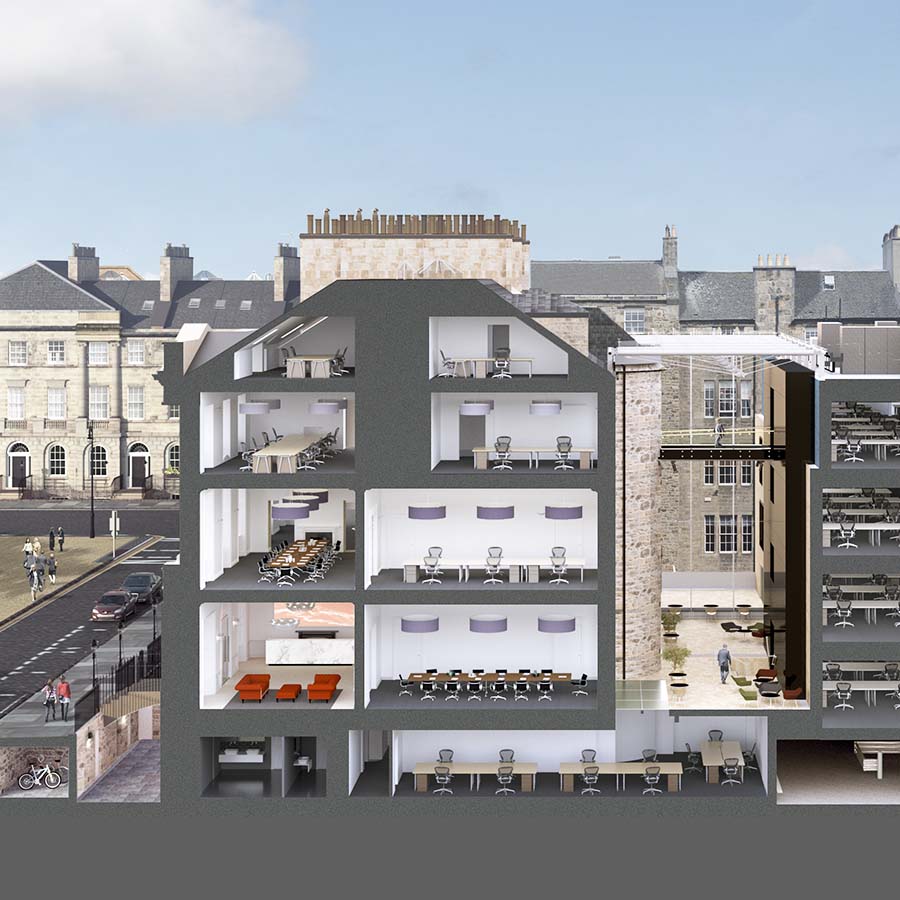
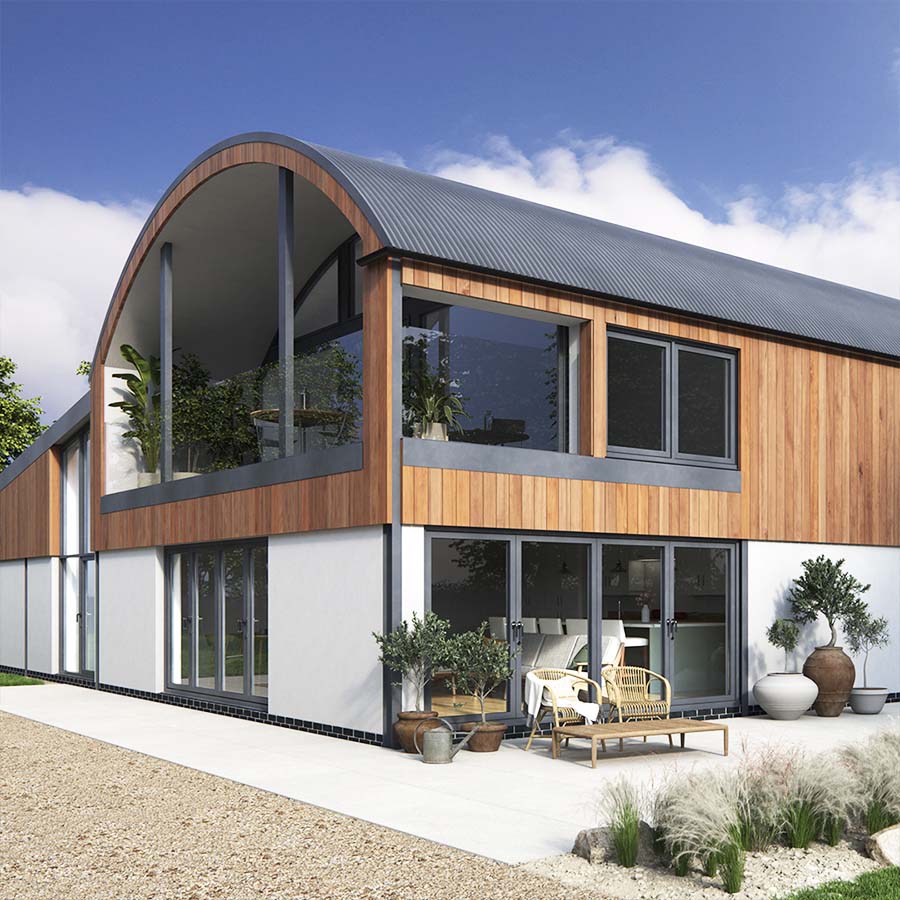
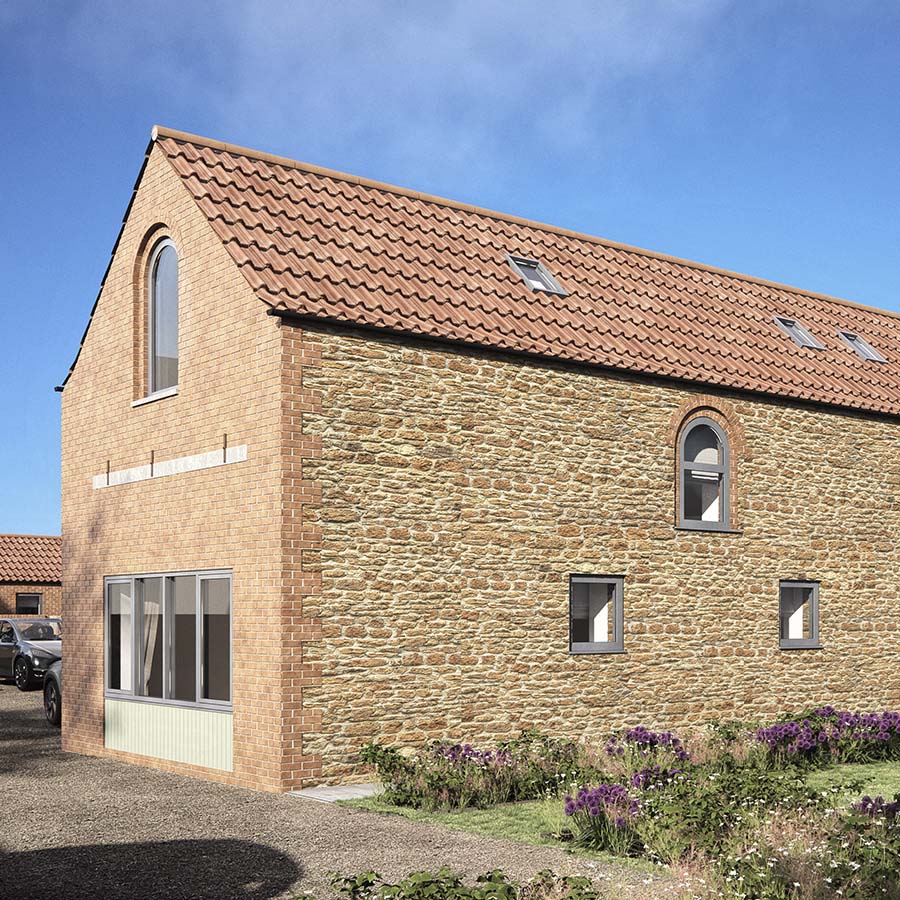
Listed building interventions. Class Q barn conversions. Section cuts showing existing and proposed fabric side by side. Interior views of refurbished spaces. Before-and-after composites for Heritage Statements. Verified photomontages — AVR — produced to a recognised methodology and suitable for submission.
If your project involves an historic structure in any form, we can most likely help.
A note on Class Q
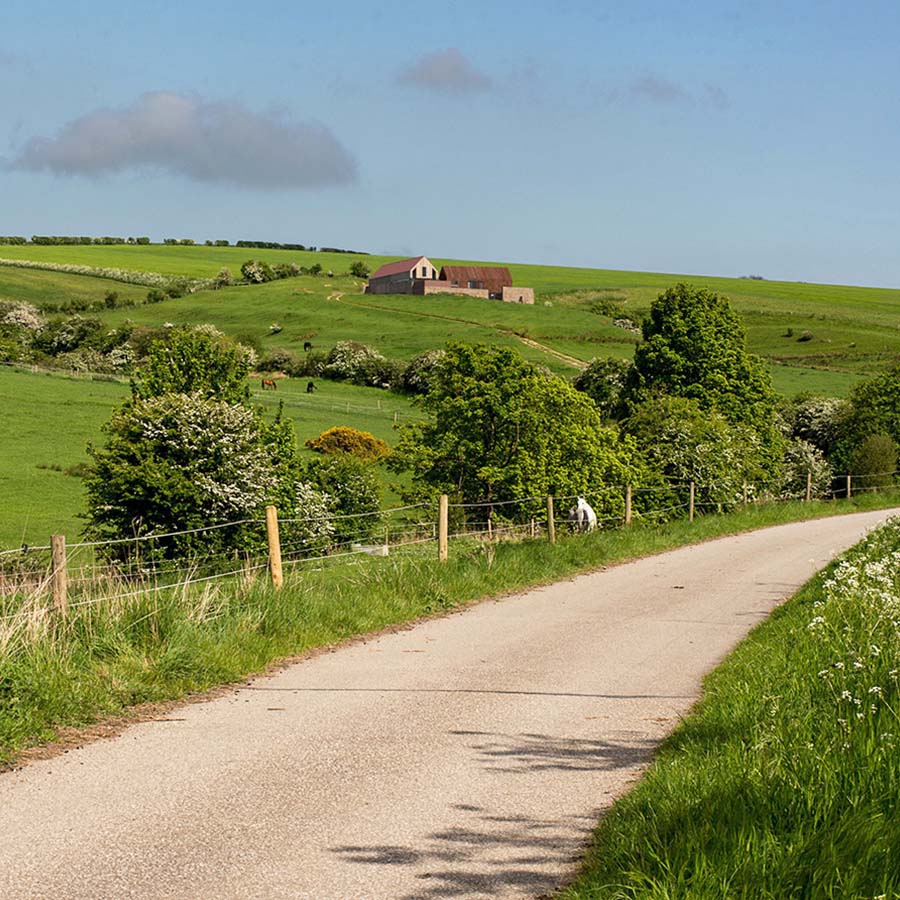
Class Q permitted development rights allow the conversion of agricultural buildings to residential use — but the planning authority still needs to be satisfied that the structure is capable of conversion, and that the proposed works don’t amount to a rebuild. Visualisation plays a real role here. Clear, accurate imagery showing the existing structure and the proposed intervention can make a material difference to how an application is received.
We have extensive experience with Class Q projects across Lincolnshire and the wider East Midlands, and we know the kind of imagery that supports a well-prepared application.
Verified photomontages
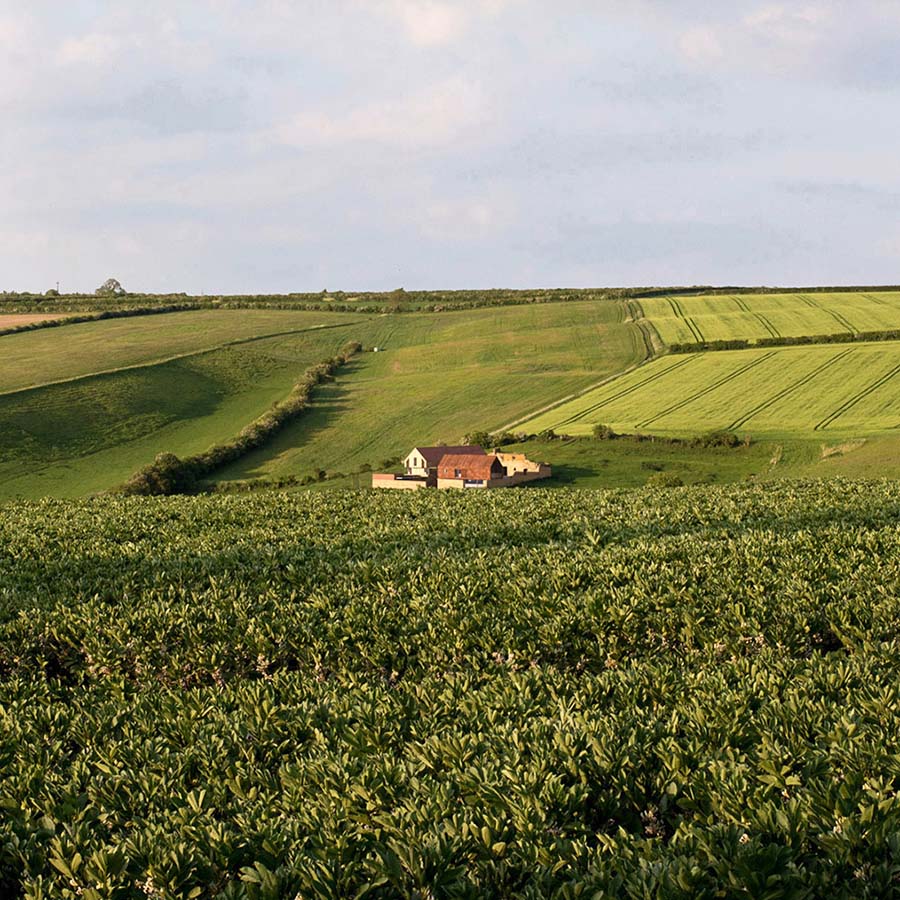
Where a photomontage is required to AVR standard — Accurate Visual Representation — we follow established methodology. That means verified camera positions, calibrated lens data, survey control points where required, and a final composite that accurately represents the proposed works within the existing scene.
This matters for heritage applications where the credibility of the imagery may itself be scrutinised. We produce montages that will stand up to that scrutiny.
Whether you’re an architect or planning consultant preparing a heritage submission, a landowner exploring Class Q, or a developer with a listed building in need of new purpose — we’d be glad to hear from you.